

Clean energy in 2026 is no longer only about generating renewable electricity. The strongest business growth now happens around grid stability, energy storage, intelligent software, and flexible power management.
Renewable capacity continues expanding globally, but intermittent generation from solar and wind requires advanced grid balancing, predictive analytics, storage optimization, and distributed energy coordination.
Companies that focus on these supporting layers rather than generation alone increasingly capture higher margins and long-term contracts.
Energy transition economics shifted significantly in the past few years. As renewable penetration rises, the market value moves toward flexibility services: frequency regulation, peak load shifting, battery aggregation, demand response platforms, and real-time grid optimization software.
Grid Services Become A Core Energy Business Segment
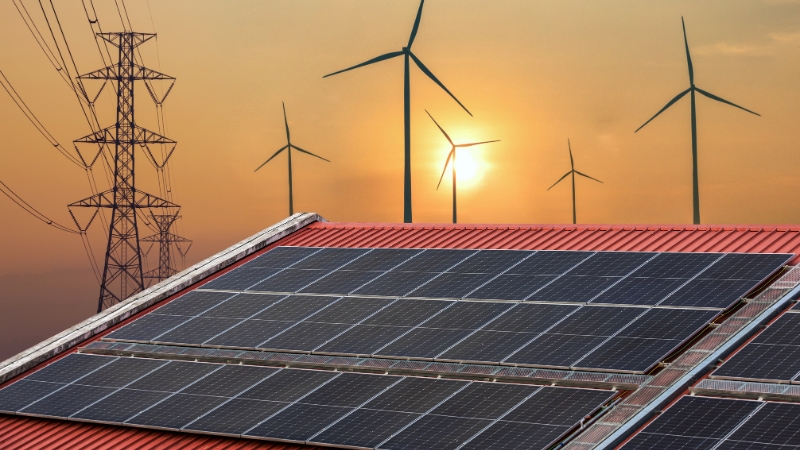
Grid services refer to technologies and operational support that keep electricity networks stable despite variable renewable input. As solar and wind generation grow, grid operators must manage fluctuations that traditional fossil-fuel plants once balanced naturally.
This structural shift creates multiple commercial opportunities:
Grid Service Area
Business Opportunity
Market Driver
Frequency regulation
Battery-backed grid stabilization
Renewable variability
Demand response programs
Flexible consumption contracts
Peak load reduction
Virtual power plants
Aggregated distributed resources
Decentralized energy
Grid forecasting analytics
Predictive AI software
Weather-driven generation
Transmission optimization
Smart infrastructure upgrades
Congestion mitigation
Companies providing grid balancing software, predictive analytics, and real-time response systems increasingly partner directly with utilities rather than selling hardware alone.
Recurring service contracts improve revenue predictability compared with traditional equipment sales.
Utilities also increasingly outsource specialized grid analytics to technology providers. This trend favors startups and software-focused firms capable of rapid innovation.
Energy Storage Expands Beyond Batteries Alone
Energy storage remains one of the fastest-growing clean energy sectors in 2026. Lithium-ion batteries still dominate installations, but diversification into alternative storage technologies continues accelerating.
Thermal storage, hydrogen storage, compressed air systems, and gravity-based solutions all attract investment.
Energy storage commercial models vary significantly:
Storage Type
Typical Use Case
Revenue Model
Lithium battery systems
Peak shaving, backup power
Capacity payments, arbitrage
Grid-scale batteries
Frequency regulation
Utility contracts
Thermal storage
Industrial heat management
Efficiency savings
Hydrogen storage
Seasonal energy balancing
Industrial fuel markets
Mechanical storage
Long-duration grid stability
Infrastructure leasing
Business opportunity increasingly lies not only in building storage hardware but also in managing energy flows intelligently. Storage optimization software often delivers higher margins than physical infrastructure because it scales easily.
Companies combining storage assets with digital control platforms frequently outperform pure hardware manufacturers financially.
Software Defines The Next Competitive Advantage
Energy systems now depend heavily on data. Forecasting solar output, managing distributed batteries, optimizing EV charging loads, and balancing grid demand require advanced analytics. Software has become the operational backbone of clean energy.
Many investors now classify clean energy digital platforms as part of broader emerging tech sectors because they integrate artificial intelligence, IoT devices, and predictive modeling into critical infrastructure. This convergence expands funding access and accelerates commercialization timelines.
Key software-driven opportunities include:
Software Segment
Commercial Function
Business Potential
Energy management platforms
Monitor distributed assets
Subscription revenue
Predictive maintenance tools
Reduce infrastructure downtime
Utility contracts
AI grid optimization
Improve load balancing
High-margin SaaS
EV charging orchestration
Manage peak demand
Mobility partnerships
Carbon tracking platforms
Compliance reporting
Corporate sustainability demand
Software companies also benefit from faster iteration cycles compared with infrastructure providers. Updates can deploy remotely, enabling continuous product improvement without physical upgrades.
Virtual Power Plants Create New Revenue Streams
View this post on Instagram
Virtual power plants aggregate decentralized energy sources such as rooftop solar, home batteries, EV charging stations, and industrial demand response assets. Together, these distributed resources function like a conventional power plant.
The commercial implications are substantial:
VPP Component
Role
Revenue Source
Residential solar arrays
Distributed generation
Feed-in tariffs
Home battery systems
Grid balancing
Capacity payments
Commercial demand response
Load reduction
Utility incentives
EV fleets
Flexible storage
Grid service fees
Energy retailers increasingly adopt virtual plant strategies because they reduce reliance on large centralized generation facilities. Technology providers enabling aggregation platforms, therefore,e occupy a rapidly growing niche.
Electric Mobility Integration Expands Market Scope
Electric vehicles now represent both energy consumers and potential storage resources. Vehicle-to-grid technology allows EV batteries to supply electricity back to the grid during peak demand periods.
This creates cross-sector opportunities:
Sector
Opportunity
Market Impact
Automotive manufacturers
Integrated energy services
New revenue channels
Charging network operators
Dynamic pricing models
Grid stabilization
Utilities
Distributed storage capacity
Reduced infrastructure strain
Software developers
Charging optimization platforms
Recurring SaaS income
Companies combining mobility data with energy analytics increasingly attract partnerships from utilities and infrastructure investors.
Industrial Decarbonization Opens Specialized Markets

Heavy industry historically lagged in clean energy adoption. Recent regulatory pressure, carbon pricing expansion, and investor expectations changed this dynamic.
Industries now investing heavily include:
Industry
Clean Energy Focus
Opportunity Type
Steel production
Hydrogen fuel switching
Infrastructure projects
Cement manufacturing
Carbon capture integration
Technology licensing
Chemical sector
Electrification processes
Efficiency services
Logistics fleets
Electrification transitions
Charging infrastructure
Industrial decarbonization projects typically involve multi-year contracts and significant capital investment, offering stable long-term revenue for solution providers.
Policy Incentives Continue Driving Investment
Government policy remains a major accelerator of clean energy business opportunities. Tax credits, subsidies, emissions targets, and infrastructure funding programs significantly influence market direction.
Policy drivers in 2026 commonly include:
Policy Mechanism
Effect On Business
Renewable tax credits
Lower project cost
Grid modernization funding
Infrastructure upgrades
Carbon pricing expansion
Incentivized transition
Electrification mandates
Increased demand
Energy resilience programs
Storage adoption
Businesses aligned with policy trends often experience faster scaling and reduced financing barriers.
Financing Innovation Expands Market Access
⚡Energy as a Service (EaaS): Powering the Future, Subscription-Style!
Why own when you can subscribe? #EaaS is reshaping how businesses access energy-offering scalable, sustainable solutions without the burden of infrastructure ownership. It’s a smart blend of cost-efficiency,… pic.twitter.com/tjBNH6QHC7
— Tech Mahindra (@tech_mahindra) June 3, 2025
Financial models for clean energy projects continue evolving. Power purchase agreements, green bonds, energy-as-a-service models, and performance-based financing lower entry barriers for businesses and municipalities.
Key financing approaches:
Model
Benefit
Energy-as-a-service
Reduced upfront cost
Green bonds
Institutional investment access
Performance contracts
Risk sharing
Infrastructure funds
Large-scale deployment support
Financial innovation frequently determines whether promising technologies achieve widespread adoption.
Challenges Still Affect Market Growth
Despite strong expansion, several challenges remain:
Challenge
Impact
Grid infrastructure limitations
Integration delays
Supply chain volatility
Hardware cost fluctuations
Regulatory complexity
Market fragmentation
Data security risks
Software adoption concerns
Skilled workforce shortage
Deployment bottlenecks
Companies addressing these constraints often secure competitive advantages.
Strategic Outlook For Clean Energy Businesses

Clean energy in 2026 increasingly revolves around system intelligence rather than generation capacity alone. Grid stability services, intelligent storage deployment, predictive software, and integrated mobility solutions represent the most dynamic growth areas.
For entrepreneurs entering this sector, knowing how to create a simple financial forecast for a new business becomes essential to evaluate capital intensity, projected cash flow, and scalability before committing to infrastructure investments.
Businesses that combine infrastructure expertise with digital capabilities position themselves strongest for long-term expansion.
The transition toward decentralized energy networks continues accelerating. Companies providing flexible services, scalable software, and integrated energy ecosystems increasingly shape the commercial landscape of the global clean energy economy.